Where Conscious Design Meets Living Memory
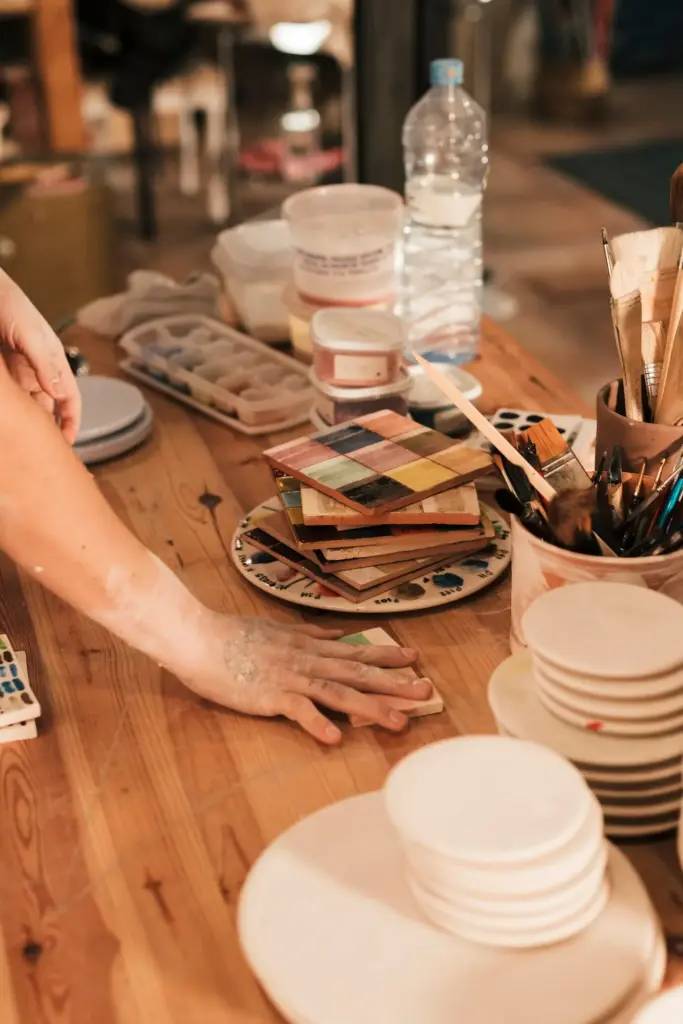
Today we explore Sustainable Interiors With a Story, celebrating rooms that honor the planet while preserving the human narratives behind every surface and object. Expect practical strategies, soulful examples, and honest conversation about provenance, longevity, and repair. Share your own room’s journey, subscribe for fresh field notes, and help us build a community that values beauty, durability, and dignity in equal measure.

Foundations for Enduring, Responsible Spaces

Before a single chair is chosen, decide what your space should protect: health, resources, and the stories that make your life meaningful. Favor materials that age gracefully, designs that outlast fashion cycles, and suppliers who disclose impacts clearly. Avoid green gloss by asking better questions, documenting choices, and engaging your household in repairs and stewardship. Your values become real when they shape timelines, budgets, and daily routines, not just mood boards and wish lists.

Think in Lifetimes, Not Seasons

Design choices that survive moves, children, pets, and changing tastes are inherently gentler on the planet. Prioritize timeless forms, replaceable parts, and surfaces that can be refinished. Consider the full journey from extraction to disposal, including transportation and maintenance. When in doubt, pause purchases, sit with the room, borrow, or buy pre-loved. The quietest footprint often comes from keeping what already exists, then improving it thoughtfully through repair and careful adaptation.

Authenticity Over Aesthetics Alone

A room becomes deeply compelling when the pieces inside it carry real provenance, not just a curated look. Ask who made it, where, under what conditions, and how long it is expected to last. Seek transparent materials lists, fair labor assurance, and photos of workshops or mills. Celebrate visible joinery, honest patina, and small imperfections that reveal human hands. Meaning grows when objects reflect lives lived, not only trends, filters, or staged perfection in catalogs.

Measure What Matters

Let data support intuition. Look for FSC wood, GREENGUARD or Indoor Air Advantage for low emissions, Cradle to Cradle scores, or Environmental Product Declarations. Track volatile organic compounds, embodied carbon, and expected service life. Record maintenance routines alongside receipts to understand true cost over time. Share your findings with family, guests, and makers. Storytelling becomes sharper when numbers meet memories, helping you advocate confidently for better materials and wiser investments that genuinely reduce harm.

Materials With Provenance and Purpose

Materials are never neutral; each carries landscapes, labor, and legacies. Favor reclaimed sources, recycled content, and rapidly renewable fibers. Ask for chain-of-custody documentation and local sourcing to reduce transport emissions. Choose finishes that safeguard indoor air, textiles that biodegrade or can be mechanically recycled, and hardware that’s standardized for repair. Invite makers to write a short origin note for every significant piece. Those small stories anchor conversations and inspire long-term care from everyone who visits.

Reclaimed Timber That Remembers Storms

Boards salvaged from barns, school gym floors, or fallen city trees arrive with nail holes, sun lines, and resilient grains. Their strength comes pre-tested by decades of weather and use. Mill them thoughtfully, retain scars where possible, and finish with plant-based oils. Label the location and year of recovery under the tabletop. A family in Seattle dines nightly on planks once flooded during a winter storm; the table holds meals and a cautionary tale about climate.

Low-Emission Finishes That Breathe Easy

Paints and sealers shape both mood and health. Choose zero- or ultra-low-VOC formulations, mineral paints, and soap finishes that cure into durable, repairable layers. Ventilate generously, and test small areas before committing. Keep leftover paint sealed for touch-ups rather than discarding. A nursery we visited used limewash over old plaster, creating luminous depth without harsh solvents. The family noted fewer headaches, calmer sleep, and unexpected delight in the velvety, cloudlike texture that ages beautifully over years.

Textiles That Return Gracefully to Earth

Seek wool, linen, hemp, and recycled cotton, dyed with low-impact processes and verified supply chains. Favor reversible weaves, replaceable cushion covers, and upholstery designed for easy removal and cleaning. When textiles finally retire, donate for reuse or compost natural fibers appropriately. A vintage sofa reupholstered in undyed linen outlasted two subsequent trends, then found a second life on a porch. Durability meets dignity when fabrics tell clear sourcing stories and respectfully complete their material cycle.

Makers, Communities, and Fair Value

Local Craft, Global Stewardship

Sourcing nearby shortens transit, but it also deepens relationships. A potter who fires with reclaimed wood scraps, a metalworker who recycles offcuts, a weaver reviving regional patterns—all become partners in your daily rituals. Commission pieces that solve specific needs, like narrow shelving for awkward corners. Pay on time, celebrate the collaboration publicly, and refer friends. When local economies thrive, fewer disposable imports feel necessary, and your home becomes a living gallery of neighborhood skill.

Repair Culture Revival

Schedule repair days like celebrations. Share tea with a furniture restorer, learn to re-cane a chair, patch a rug, or sharpen cabinet hinges. Stock a small kit: wood glue, clamps, wax sticks, natural brushes, brass screws. Photograph before, during, and after. Children especially love watching a wobbly stool stand proud again. Repair sustains dignity for both objects and owners, reminding everyone that skill, patience, and care are worth more than replacement discounts and expedited shipping.

Provenance Notes and Oral Histories

Attach a discreet card or QR code to significant pieces, linking to the maker’s profile, materials, and care instructions. Invite elders or previous owners to record short audio stories about how items were used. Archive receipts, sketches, and finish schedules in a shared folder. These fragments become a portable museum of your home, easing future restoration and strengthening emotional bonds. When objects are well understood, they are defended, maintained, and handed forward rather than casually discarded.

Design for Disassembly

Favor mechanical fasteners over permanent adhesives, and label hidden connections for future access. Use common screw sizes, avoid composite layers that cannot be separated, and leave service routes for wiring and plumbing. When a shelf cracks, replace the plank, not the entire wall unit. One family cataloged every component of a modular bookcase, then swapped only two damaged panels after a move. Clarity and forethought kept their investment intact and material waste remarkably low.

Adaptive Reuse at Home

Treat your residence like a small city of possibilities. A door becomes a desk, a lab counter becomes a kitchen island, a warehouse pendant becomes a hallway beacon. Before buying new, tour salvage yards, school closures, and liquidation auctions with measurements in hand. Sand, reseal, rewire safely, and note the transformations. Spaces gain character when they host fragments of prior lives, and households gain confidence when ingenuity replaces hurried consumption and the constant churn of shipments.

Material Passports and Traceable Parts

Create a simple inventory listing materials, finishes, and sources for key elements in every room. Add QR codes under furniture, inside cabinet doors, and near mechanical panels. Include batch numbers, care notes, and end-of-life options. When relatives inherit, movers pack, or tenants rotate, the room’s memory travels intact. Several readers reported faster repairs, safer refinishing, and easier donations because information was available instantly. Traceability turns maintenance into routine care rather than frantic detective work.

Storytelling Through Light, Color, and Texture

Narrative lives in sensory layers. Use pigments tied to local soil or memories from travel. Balance natural and task lighting to honor circadian rhythms and energy use. Invite patina through oils and waxes instead of plastic films. Mix rough with smooth, matte with gloss, and quiet with exuberant accents. Place objects where hands will reach them. When the senses are nourished, responsibility feels like pleasure, and daily rituals become the pages on which your home writes itself.

Color Palettes Rooted in Place

Sample hues from your environment: the moss behind the house, the brick along your street, the clay in a nearby riverbed. Mineral or plant-based paints translate these references without harsh solvents. Record swatches with dates, stories, and sources. Over time, additions remain harmonious because they share geography and memory. One apartment layered foggy grays from harbor mornings, then warmed them with salvaged oak—creating a calm harbor for reading, conversation, and small celebrations lasting long into winter.

Human-Centered Light That Respects Energy

Position mirrors to bounce daylight, choose LEDs with high color rendering, and place dimmers where evening gentleness matters. Favor lamps with replaceable parts and classic shades that invite re-covering. Install task lights at 3500–4000K for clarity, keep lounge zones warmer for rest, and consider occupancy sensors in seldom-used halls. A renter swapped three harsh ceiling fixtures for two floor lamps and a wall sconce, cutting energy use and anxiety while gaining intimate, story-rich evenings.

Textures That Age Beautifully

Select surfaces that improve with attention rather than fray under it: oiled wood, lime-plastered walls, unglazed stone, woven natural rugs. Encourage touch and gentle maintenance—buffing, waxing, brushing—so family members become stewards. Track small changes like a journal of patina. When a coffee ring darkens oak, tell its origin alongside the cleanup. Over years, these marks become affectionate footnotes, proof that low-impact choices can still deliver drama, comfort, and the human warmth of daily life.

Your Action Plan and Shared Learning

Turn intention into momentum. Start with a single room, define purpose, set a modest budget for repairs, then outline sourcing rules. Track progress weekly, celebrate each fix, and share photos with notes on origin and impact. Ask questions publicly to help others avoid mistakes. Subscribe for checklists, interviews, and case studies, and reply with your own experiments. Collective learning accelerates improvement, making responsibility feel collaborative, joyful, and achievable even when resources or time are limited.
Paporipikunepekokone
Privacy Overview

This website uses cookies so that we can provide you with the best user experience possible. Cookie information is stored in your browser and performs functions such as recognising you when you return to our website and helping our team to understand which sections of the website you find most interesting and useful.