Homes With Heart: Crafting Beauty With Local Makers
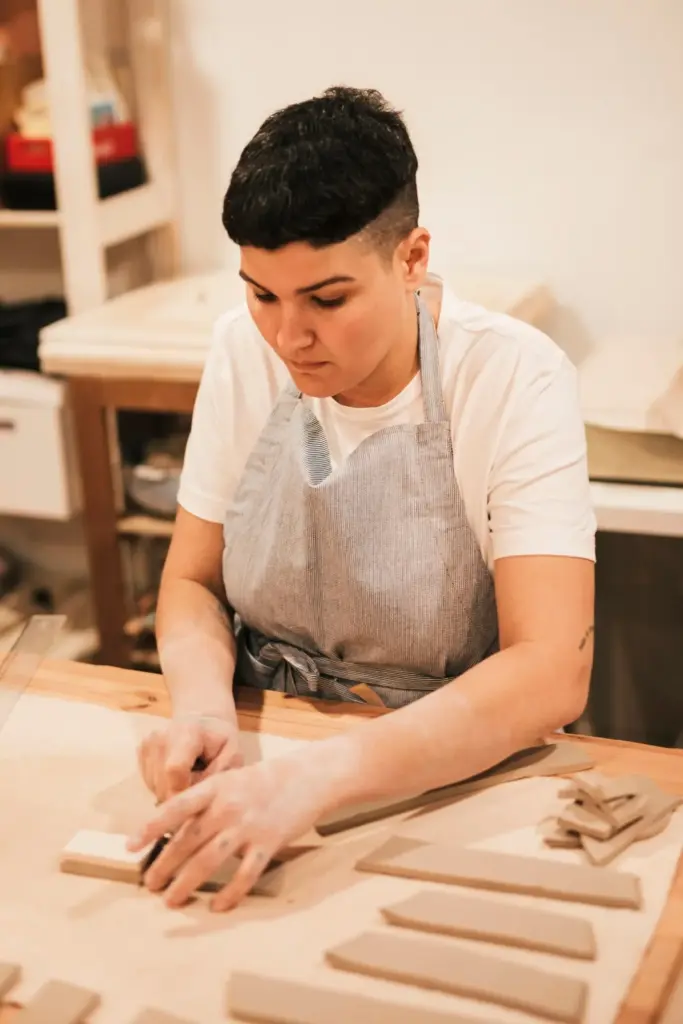
Today we explore partnering with local artisans for sustainable home aesthetics, celebrating materials, relationships, and meaningful design. Expect practical collaboration steps, sourcing tips, care guidance, and stories that prove beautiful spaces can also nurture livelihoods, cultures, and the planet we all share. If you’ve wondered how to align taste with values, you’re in the right place to learn approachable, rewarding ways to begin.

Why Craftsmanship Belongs at Home

Choosing pieces made by people you can meet changes everything about how a room feels and how long it lasts. Local craftsmanship strengthens community networks, reduces shipping emissions, and gives your space soul. You bring in materials with transparent origins, makers with names and stories, and finishes you can maintain for decades. The result is a layered home that resists throwaway culture, values originality over mass sameness, and rewards care with patina rather than planned obsolescence.

Community Impact You Can Feel

When you commission a table, rug, or lamp locally, your money circulates through real workshops, apprenticeships, and family businesses. Makers reinvest in better tools, safer studios, and time to train emerging talent. Those decisions ripple outward as neighborhood markets grow and cultural traditions survive. Your home becomes a living patronage, reflecting not just style but mutual respect, fair compensation, and shared pride that persists long after the delivery day excitement fades.

Material Honesty and Gentle Footprints

Many artisans choose responsibly harvested wood, plant-dyed textiles, recycled metals, and low-VOC finishes because they steward their own communities. Shorter supply chains reduce packaging waste and freight miles, while transparent sourcing invites questions and improvements. You can trace ingredients to forests, farms, and scrap yards, then discuss maintenance directly with the person who shaped them. That alignment of process and product means beauty that feels clean to breathe around, easy to live with, and kinder to ecosystems.
Finding and Vetting Makers
Where to Look Without Getting Overwhelmed

Start with one neighborhood market or annual craft fair and talk to three makers about their process. Then examine community bulletin boards, museum shops, and alumni showcases from nearby art schools. Use social media sparingly as a map, not a destination, saving posts of materials you truly love. Follow the breadcrumb trail of collaborations; talented artisans often recommend peers. Within a week, you’ll have a small, promising list and a stronger sense of your priorities.

Questions That Build Trust

Ask about sourcing: which forest, mill, or recycler supplied the materials? Clarify lead times, deposit structure, and how changes are handled. Discuss care, repair options, and whether finishes can be refreshed in a few years. Explore scale limits, installation needs, and realistic budgets. Good makers welcome curious, respectful questions because they protect both sides. Your goal is not a bargain at any cost but a clear, fair agreement where responsibilities, quality benchmarks, and timelines are genuinely understood.

Studio Visits and Red Flags

If possible, visit the workshop. You’ll observe safety practices, ventilation, storage of finishes, and labeling of materials. Look for consistent joinery, clean edges, and offcuts thoughtfully saved for smaller projects. Red flags include evasive sourcing answers, dismissive attitudes toward maintenance, or replicas of someone else’s designs. Trust your instincts; respectful collaboration shows in how problems are discussed. A studio that invites transparency today is far more likely to stand behind the work tomorrow.

Collaborating From Sketch to Installation
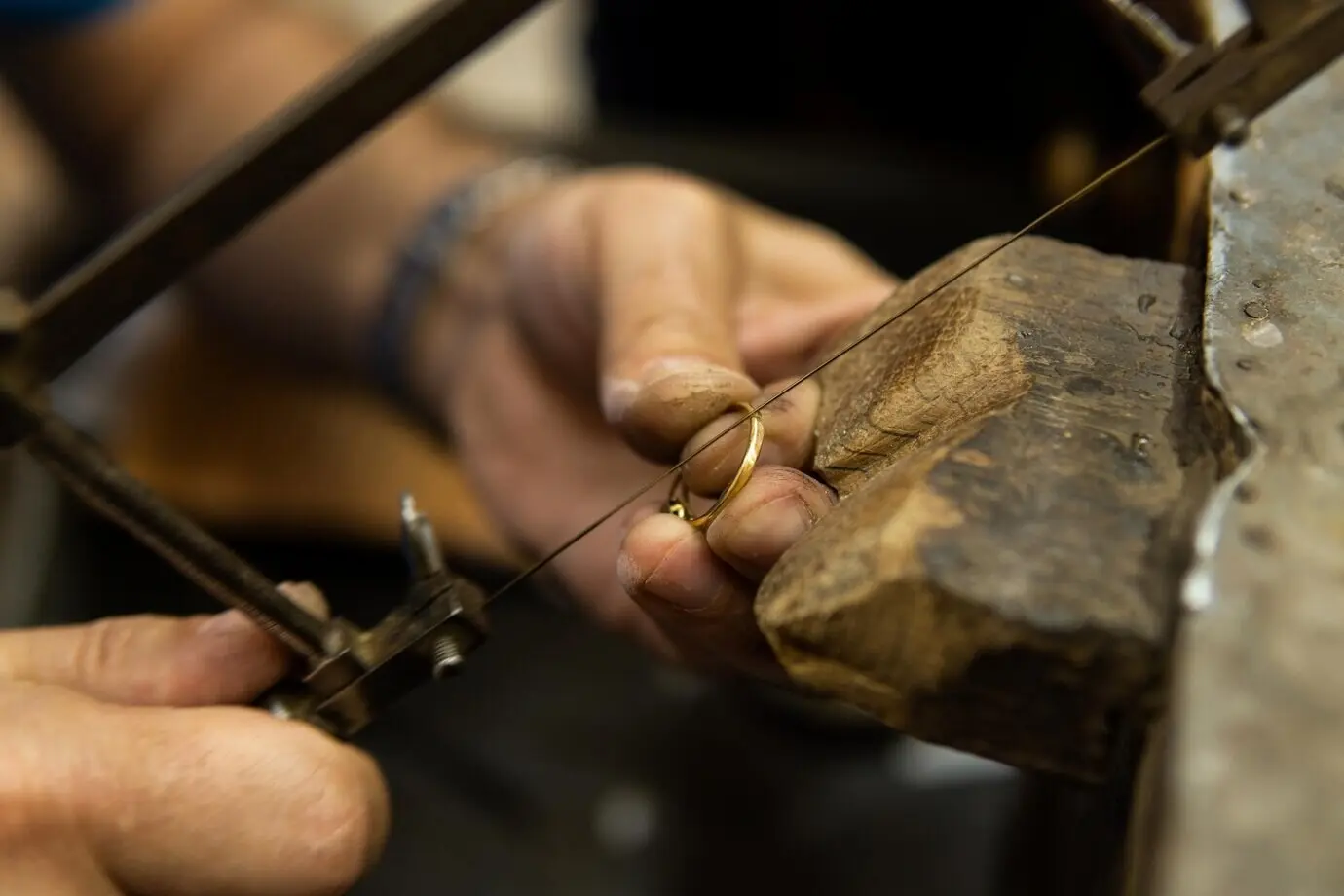
Collaboration works best when you express needs, constraints, and emotions rather than dictating every detail. Share dimensions, daily routines, and durability requirements, then invite ideas grounded in the artisan’s expertise. Agree on milestones, mockups, and approvals so surprises become delightful, not stressful. Document everything kindly: scope, materials, finish samples, payment schedule, and delivery logistics. When installation day arrives, you’ll celebrate a co-authored object that fits your life, honors craft, and tells an honest, shared story.

Briefs That Inspire, Not Constrain

Write one page describing how the piece will be used, who touches it daily, and what feelings you want it to evoke. Include room photos, sunlight notes, outlet locations, and clearance concerns. Add two or three reference images highlighting mood and texture, not exact replicas. Share must-haves like stain resistance or kid-friendly edges, yet leave room for surprise. A clear, conversational brief frees artisans to solve problems creatively while staying aligned with your lived reality.

Prototyping, Samples, and Honest Iteration

Request finish samples, small weaving swatches, or glaze tiles to judge color in your actual lighting. Consider a cardboard mockup to confirm scale and traffic flow. Embrace iteration as a strength: revising a leg profile or adjusting seat height early prevents disappointments later. Track decisions in a shared document and timestamp approvals. The most satisfying results emerge from open feedback, patient testing, and mutual respect for the time and resources that thoughtful making requires.

Delivery, Contracts, and Clear Boundaries

A simple, friendly contract can protect everyone: deliverables, dimensions, material specs, finish samples, payment schedule, and installation details. Include how changes, delays, and damage will be handled. Ask for care instructions and a repair policy in writing. Confirm access routes, elevator bookings, and protective blankets before delivery day. Clear boundaries reduce miscommunication and let the final hours feel celebratory. When the piece settles into place, you’ll remember teamwork, not stress, and enjoy the room immediately.

Sustainable Materials, Real Rooms

Sustainability shines when it meets daily use. Reclaimed wood warms dining rooms while locking away carbon. Linen curtains breathe through seasons. Wool rugs clean easily and age with dignity. Stoneware tolerates heat and becomes a cooking companion. Metals gain honest patina and invite touch. Pair choices with home realities: pets, humidity, sunlight, and kids. Good materials align with care habits you can maintain, reducing replacements and keeping your space grounded, healthy, and quietly expressive.

Care, Repair, and Lifelong Value

Durability is a relationship, not a promise on a tag. Plan gentle routines, schedule seasonal checkups, and learn simple fixes that prevent replacements. Keep a small kit: wool brush, natural soap, beeswax, microfiber cloths, and felt pads. Ask artisans for maintenance sheets and save their contact details for refreshes years later. Repairs deepen stories and prove that sustainability is daily practice. Loved objects grow better with attention, rewarding you with calm, resilient rooms across changing seasons.

Stories to Inspire Your Next Step

Real homes prove that values and aesthetics can co-exist. A single commission can anchor a room, invite conversation, and shift purchasing habits. We share three snapshots that highlight collaboration, patience, and joy. Let them nudge you toward a small, meaningful experiment this month. Then tell us how it went so others can learn from your experience, celebrate local talent, and keep the circle of making, caring, and sharing alive in your community.

A Dining Table That Anchored a Family

A couple asked a neighborhood woodworker to build a compact extension table from storm-felled maple. Together they shaped rounded corners for small children, chose a plant-based finish, and mapped leaves for holiday gatherings. The table arrived with a handwritten care note and leftover oil for touch-ups. Three years later, scratches tell stories of puzzles, birthday candles, and remote work. Nothing precious, everything cherished—proof that considered making can hold a household’s evolving rhythms with warmth and resilience.

Tiles That Turned Cooking Into Play

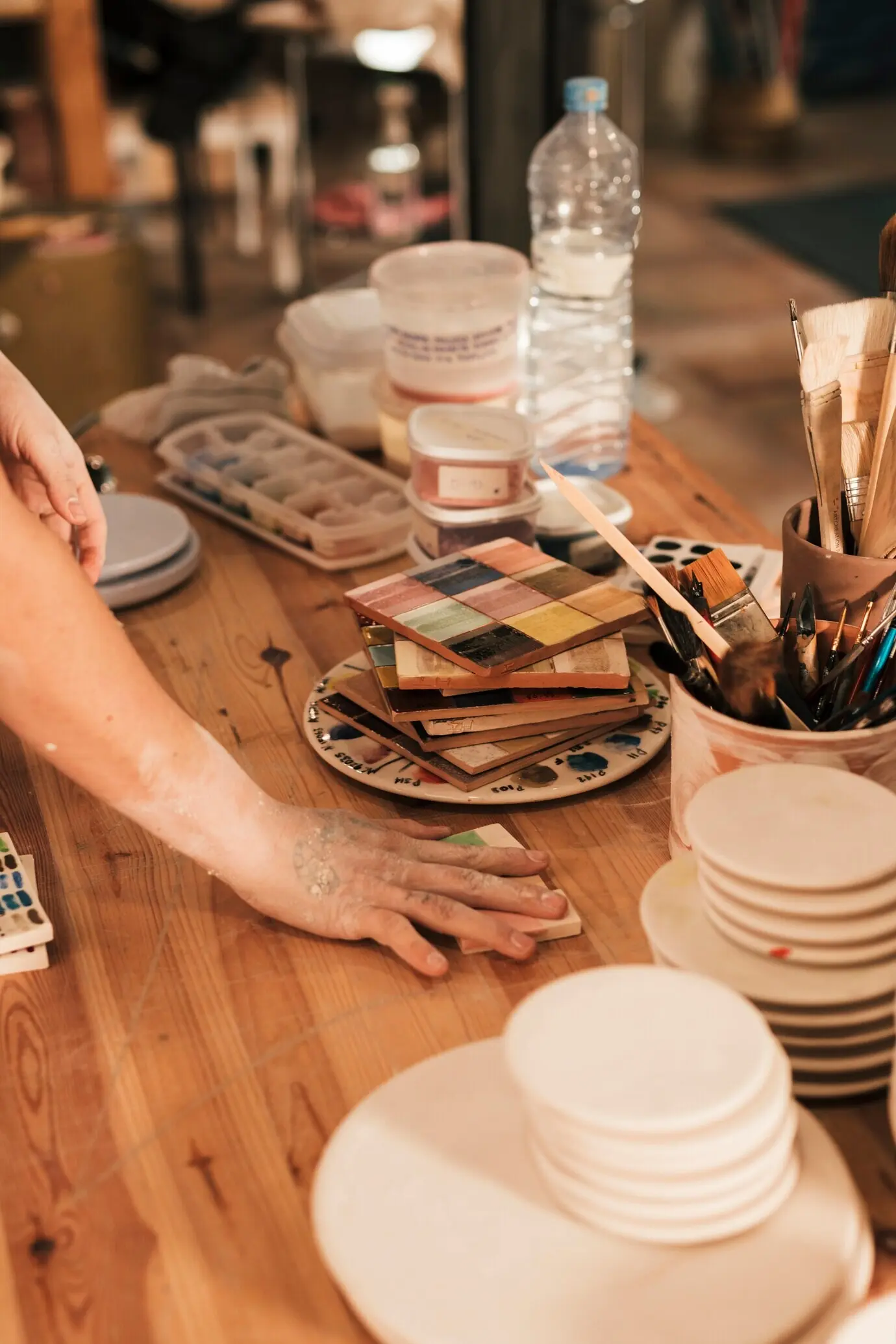
An illustrator collaborated with a ceramicist to create hand-painted backsplash tiles referencing local wildflowers. Sample boards clarified color under evening LEDs and morning sun. The imperfect petals made cleanup feel like tending a garden rather than scrubbing a chore. Visitors asked about the plants, not the brand. When one tile cracked during installation, the maker replaced it swiftly, reinforcing trust. The kitchen now feels like a friendly studio, where recipes, sketches, and conversations flow together easily.
Paporipikunepekokone
Privacy Overview

This website uses cookies so that we can provide you with the best user experience possible. Cookie information is stored in your browser and performs functions such as recognising you when you return to our website and helping our team to understand which sections of the website you find most interesting and useful.