Homes That Remember: Weaving Neighborhood Histories into Sustainable Interiors
Step into spaces where corner bakeries, block parties, and front-porch conversations are translated into furniture, textiles, and thoughtful details that tread lightly on the planet. Today we explore Community-Sourced Decor: Weaving Neighborhood Histories into Sustainable Interiors, inviting you to collect memories, co-create with neighbors, and design rooms that honor people, place, and resourcefulness while inspiring you to share your own story.

Listening to the Block: Finding Stories in Everyday Objects

Before sourcing materials, we learn to hear what the neighborhood is already saying through weathered bricks, handwritten shop receipts, and family photo albums. By building relationships first, we gather objects with context, consent, and care, transforming simple finds into meaningful anchors that celebrate identity, cultivate pride, and keep the design process grounded in lived experience rather than trend-driven novelty.

Sidewalk Archives: Mapping Memory Through Gentle Walks

Set aside an hour to stroll your streets with a notebook, documenting murals, signage, tree species, and surfaces underfoot. Note who uses the spaces and when. Ask respectful questions; listen more than you speak. These quiet observations establish a shared archive that later informs color choices, materials, and placement, ensuring your interiors echo daily rhythms instead of imposing imported narratives.

From Attic to Altar: Curating Heirlooms Together

Invite neighbors to bring one object carrying personal history—a worn apron, a café token, a concert poster. Host a gentle swap and story circle where items are photographed, measured, and ethically considered for display or transformation. This collective curation process uncovers overlooked gems, builds trust, and fosters a sense of custodianship, making the resulting decor feel cherished rather than merely decorative.

Color Stories: Murals, Market Stalls, and Sunset Skies

Photograph neighborhood hues at different times of day—faded brick reds, bus stop blues, bakery custard yellows. Build a limited palette that travels across walls, textiles, and joinery, ensuring cohesion without monotony. Test samples in natural light and under warm bulbs. Invite neighbors to vote on swatches, turning color selection into a joyful, inclusive moment that deepens ownership and delight.

Patterns from Maps, Tracks, and River Bends

Trace the contour of a river, the grid of old streetcar lines, or the meander of alley pathways. Convert these lines into repeating patterns for rugs, curtains, or tile inlays. By abstracting cartography into texture, you create subtle wayfinding inside the home, sparking conversations about shared journeys while avoiding literal signage. The result feels intimate, inventive, and quietly geographic.

Forms Inspired by Everyday Tools and Trades

Study silhouettes of fishing nets, wrenches, or weaving looms that represent local work. Translate their curves and edges into furniture leg profiles, handle shapes, or lamp frames. When handled with sensitivity and collaboration, these forms dignify labor histories without turning them into props, creating pieces that are both ergonomically considered and emotionally resonant for longtime residents and new arrivals alike.

Circular Craft: Salvage, Upcycling, and Low-Impact Finishes

Sustainability thrives when community sourcing meets circular design practices. Focus on reusing materials with minimal processing, choosing nontoxic finishes, and planning for future repair. Salvage becomes storytelling when you document sources and processes, transforming waste streams into heirloom-quality furniture. The goal is beauty that lowers impact, champions craft, and grows richer with every scratch, patch, and shared repair session.

Shared Stewardship: Ethics, Consent, and Crediting Contributors

Community-sourced decor asks us to prioritize people over objects. That means transparent consent, fair compensation or reciprocal exchange, and visible credit wherever stories are displayed. By establishing clear agreements and celebrating contributors prominently, we protect dignity, reduce extraction, and show future collaborators that their histories will be honored as carefully as materials, processes, and finished pieces themselves.

Metrics that Matter: Environmental Gains and Social Cohesion

Beautiful rooms are only the beginning. Track embodied carbon savings, landfill diversion, and indoor air quality improvements alongside social indicators like participation rates, intergenerational events, and newcomer engagement. These metrics help refine future builds, make funding proposals stronger, and demonstrate that neighborhood-centered interiors can reduce waste while knitting relationships tighter, one carefully considered piece at a time.

Quantifying Carbon and Waste Diverted with Clarity

Tally material weights, estimate avoided emissions using accessible calculators, and record transport distances. Even simple spreadsheets reveal meaningful patterns. Share results at community meetings and celebrate milestones together. Data becomes motivational when it is understandable, visualized clearly, and connected to stories of specific items saved from dumpsters and transformed into daily-use treasures with long, useful lives.

Measuring Belonging through Participation and Care

Track workshop attendance, volunteer hours, and repeat participation, noting diversity across age and background. Invite anonymous reflections on comfort, pride, and perceived welcome. When people return, bring friends, and offer to maintain shared pieces, you know the work is healing fabric, not just decorating walls. Publish summaries to invite feedback and inspire future collaborations across blocks and buildings.

Longevity, Repairability, and Future Adaptation

Document how easily components can be repaired, refinished, or reconfigured as needs change. Modular joinery, replaceable covers, and standardized fasteners extend life and reduce waste. After six months, survey users about durability and comfort. Responsive adjustments show stewardship in action, proving sustainability is a habit supported by design choices, clear instructions, and a community eager to help.

Gather and Make: Workshops, Swaps, and Neighborhood Build Days

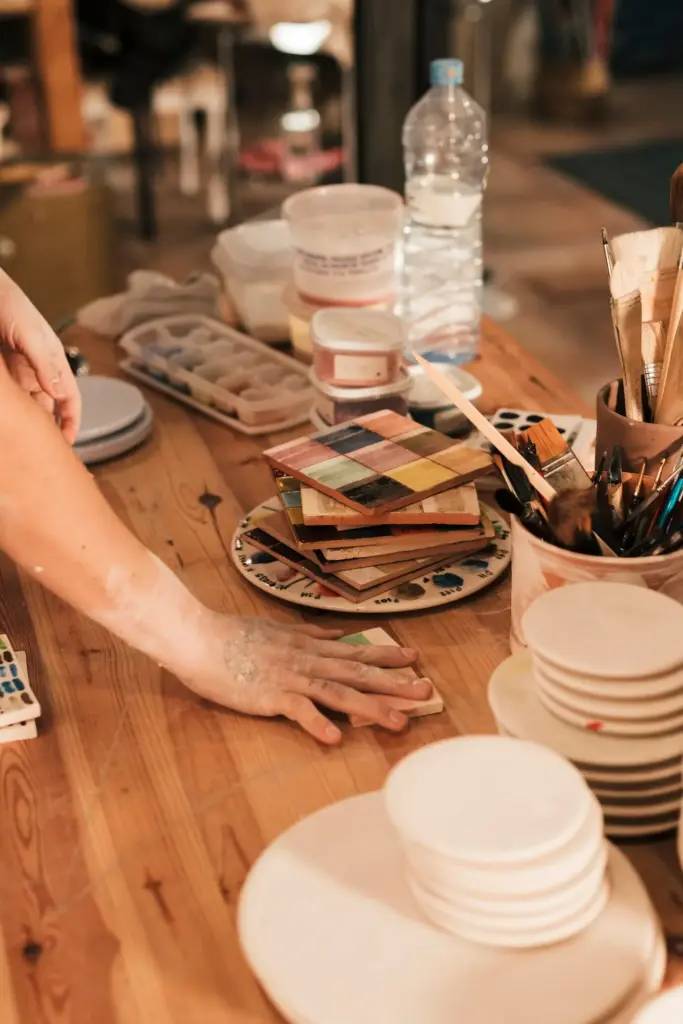
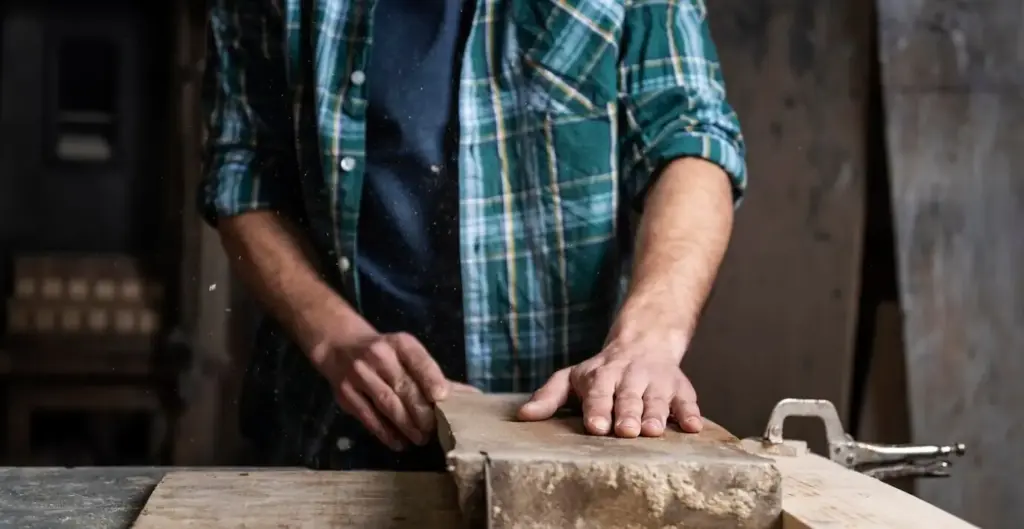
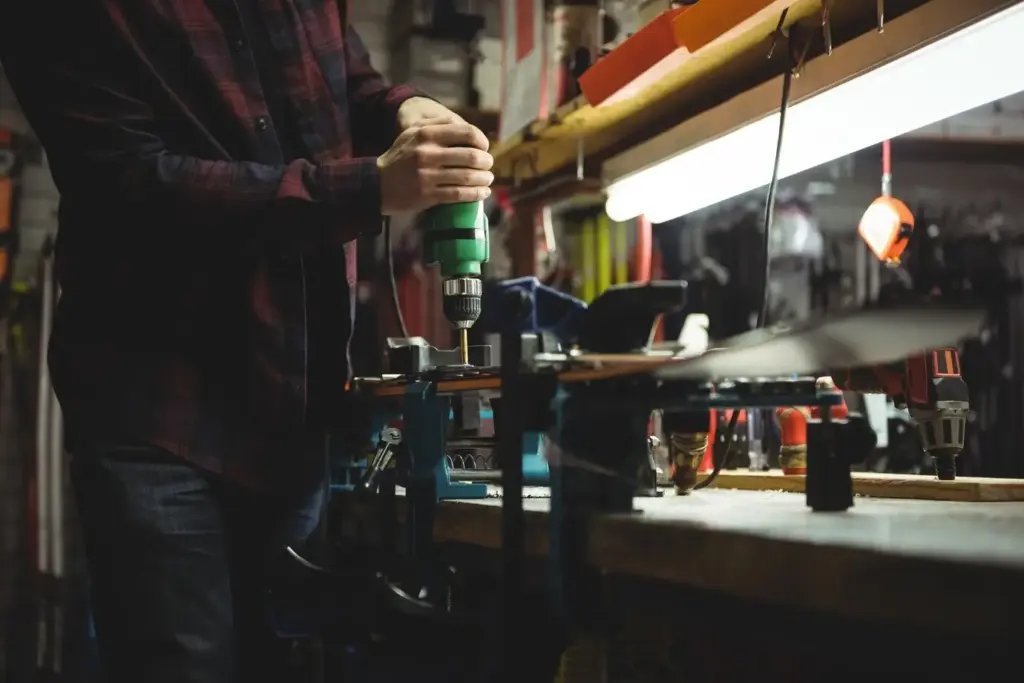
Hands-on gatherings turn ideas into muscle memory. Host story circles, material swaps, and collaborative build sessions where newcomers learn joinery, veterans share safety tips, and kids design paint stencils from local motifs. These moments are joyful, noisy, and deeply connective, ensuring each finished piece carries the fingerprints, laughter, and patience of many hands working with care.
Paporipikunepekokone
Privacy Overview

This website uses cookies so that we can provide you with the best user experience possible. Cookie information is stored in your browser and performs functions such as recognising you when you return to our website and helping our team to understand which sections of the website you find most interesting and useful.