Give Every Piece Another Chapter


Map the Journey of Every Piece You Own
Create a simple lifecycle card for each object, noting origin, materials, maker, last repair, and the next plan when needs change. Tuck it under a seat, tape it inside a drawer, or attach a discreet tag. This tangible reminder reframes your role from consumer to caretaker. Invite family members to add notes, creating continuity and a history that encourages respectful use and timely repair, rather than disposal when a hinge squeaks.
Choose Materials That Earn Patina
Favor solids and finishes that age with grace: hardwoods that can be re-sanded, powder-coated steel that repaints beautifully, linen and wool that mend attractively, and ceramics that welcome kintsugi-style repairs. Patina tells a human story, reducing the anxiety of minor dings. When you expect surfaces to gather marks, you stop chasing perfection and start designing around care, maintenance, and renewal. Share photos of your favorite patina moments to inspire fellow readers today.
Tell the Story to Increase Attachment
Attachment grows when stories are visible. Hang a tiny card from a shelf stating who built it, the salvaged material source, and the repair date. Add a QR sticker linking to photos of its previous life. Guests will ask, conversations begin, and care becomes communal. When an object’s identity is known, it is less likely to become anonymous waste. Post your quick story template in the comments so others can adapt it easily at home.
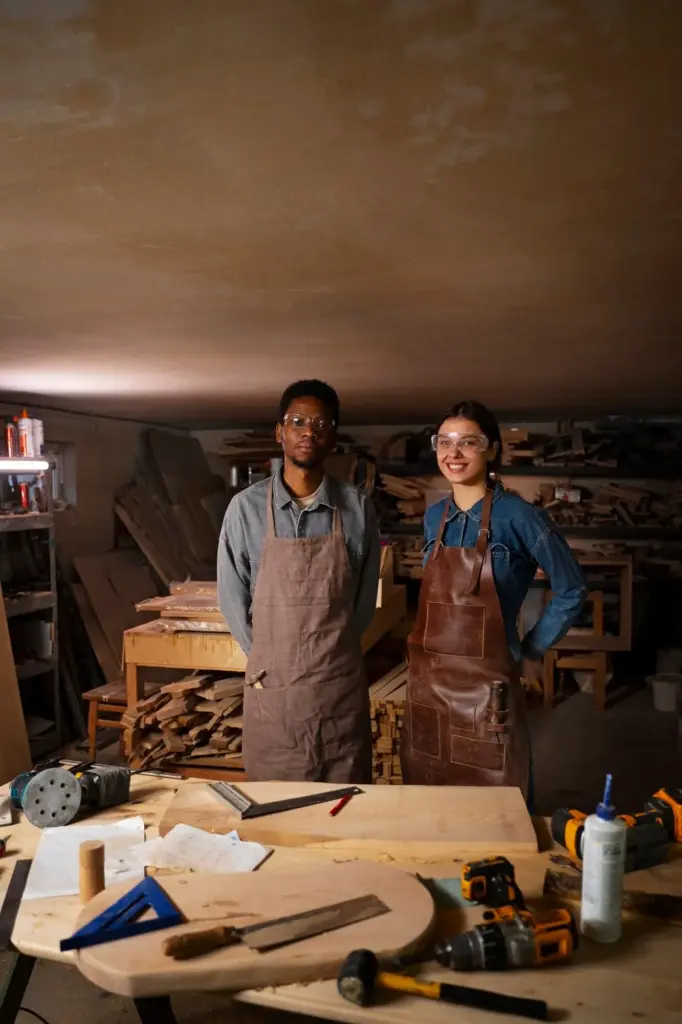
Design for Disassembly and Repair


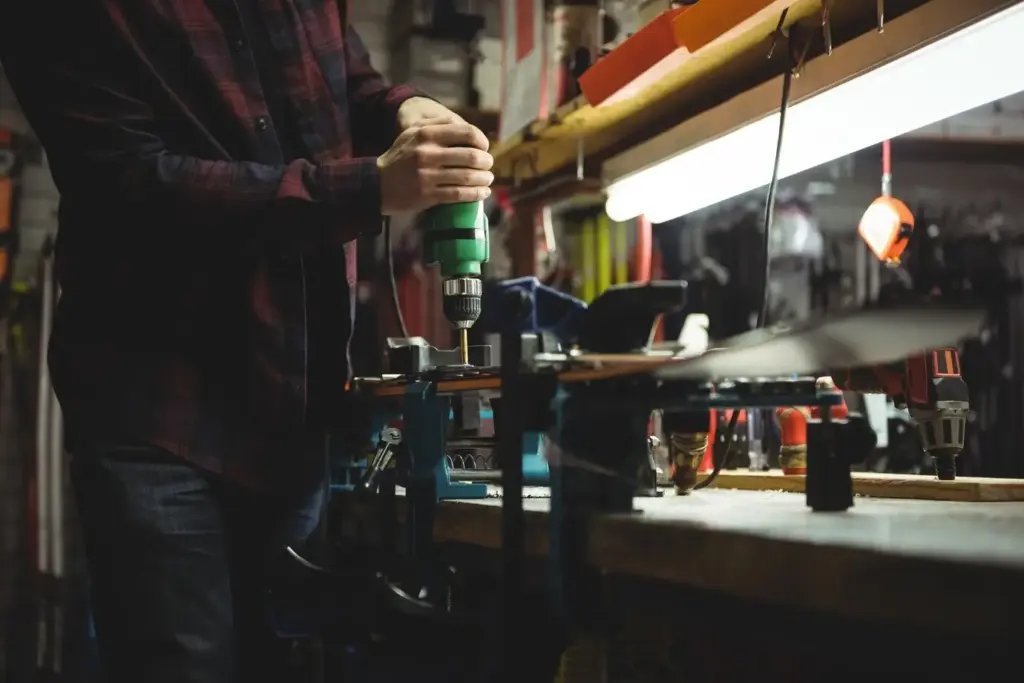

Material Intelligence and Safe Finishes

Business Models That Keep Furniture in Motion
Take-Back and Buy-Back That Respect Value
Offer clear criteria for condition, a predictable pricing ladder, and prepaid pickup options that make returns effortless. Returned items move through inspection, cleaning, refinishing, and photography pipelines, entering a certified second-life catalog. Credit encourages repeat engagement and trust. Buyers gain access to quality pieces at reachable prices. Share any brands or local makers who made your return smooth, and what paperwork helped you feel protected, so others can adopt similar programs without painful surprises.
Leasing and Service Over One-Time Sales
Shift from product transactions to performance promises: comfort, durability, and maintenance baked into monthly fees. Scheduled tune-ups, replacement cushions, and seasonal adjustments prevent premature disposal. Businesses benefit from flexible scaling, while households test layouts without regret. Look for clauses enabling upgrades without waste. If you have leased furnishings, describe the service elements that mattered, and whether responsiveness matched expectations. Your insights help others compare offers and request terms that actually support long-term circular outcomes gracefully.
Neighborhood Swaps and Maker Collaborations
Host quarterly swap nights with repair stations, fabric bins, and finish touch-up areas. Makers can pre-scan incoming items, suggest fix options, and attach repair estimates. An exchange table for standardized components keeps modular systems alive. The social energy turns reuse into celebration. Post a comment if you want a template for organizing your first event, and we will share checklists, outreach scripts, and signage ideas that attract neighbors while keeping logistics simple and welcoming.

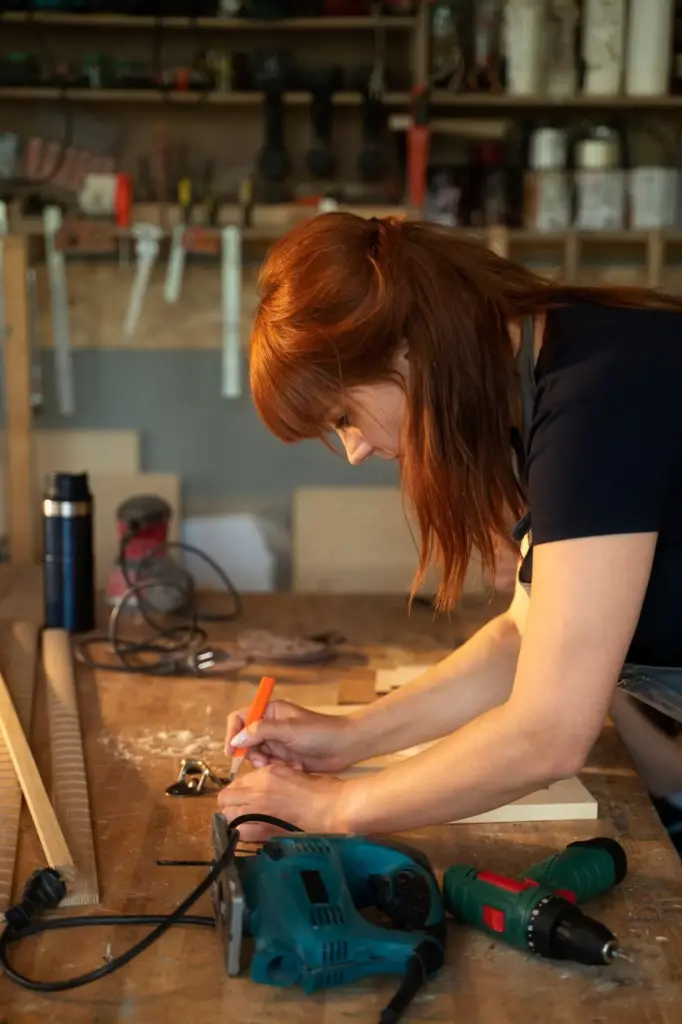

Inspiration: Spaces Built Around Second Lives
All Rights Reserved.